 EN
EN AR
AR RU
RU ZH
ZH HI
HI UR
UR FA
FA FR
FR VI
VI
Vyetnam va Xitoy choy madaniyati oʻrtasidagi farq nimada?
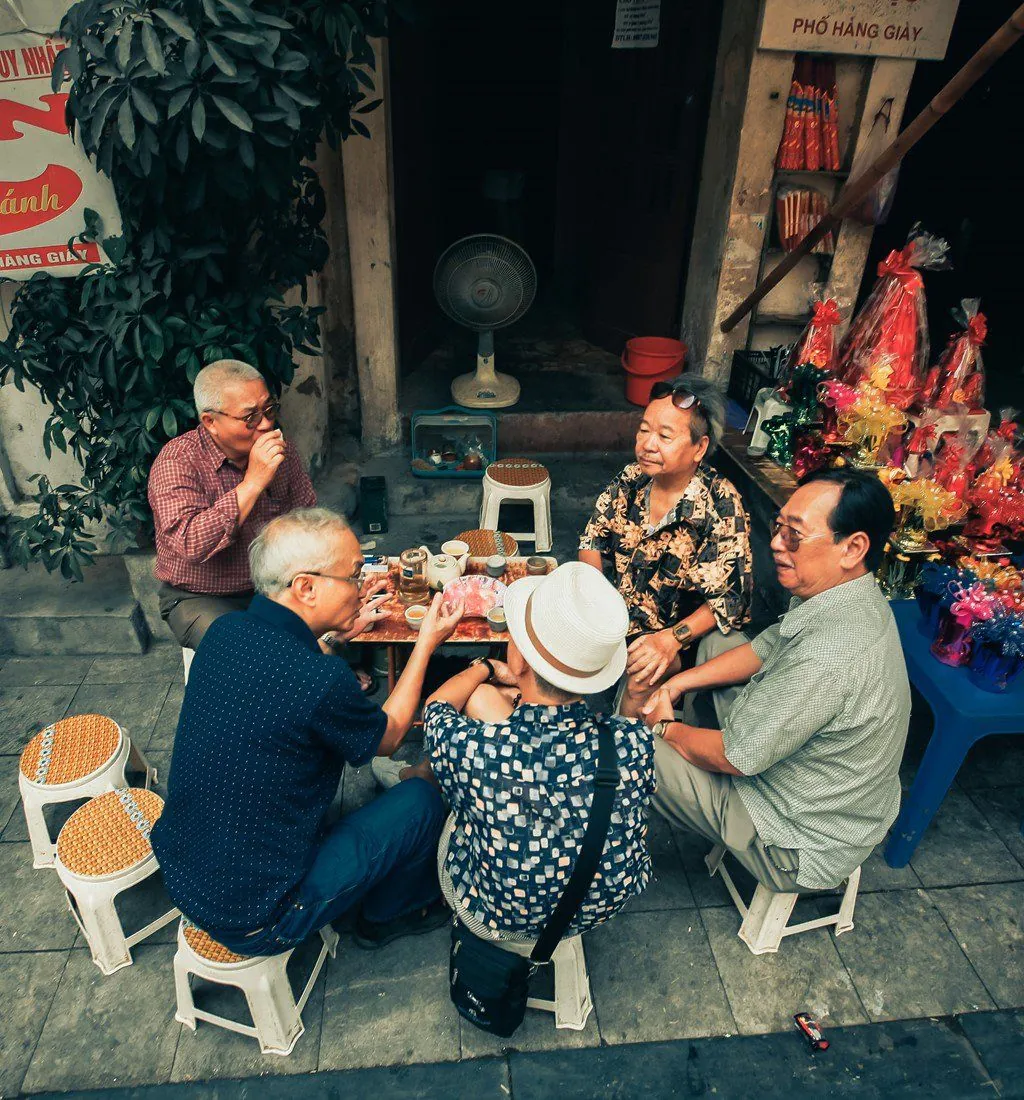
Tea culture has a long history. The tea plant is native to East and Southeast Asia, and it was the Chinese who first cultivated it and put it to use. Neighbouring lands such as Vietnam gradually took up tea growing as well, so Vietnamese tea culture was strongly influenced by Chinese tea culture. Even so, the Vietnamese art of tea has many features of its own that are not found in China. In this article we introduce the tea culture of both peoples.
Xitoyda choy madaniyati
Chinese tea culture can be divided into three main periods: boiled tea, whisked tea (made from powdered tea) and steeped tea.
The period of boiled tea cakes: tea leaves were harvested, sorted, pressed into cakes and dried. To use them, the cakes went through three steps — roasting, crushing and boiling. Special tools and rules for preparing and drinking tea developed alongside.
The period of whisked powdered tea: in the Song dynasty, tea cakes gave way to powdered tea. The powder was put into the bowl and whisked with boiling water before drinking.
The period of steeped loose-leaf tea: from the Ming dynasty on, whole tea buds were placed in the water and drunk once they had sunk. Since then, tea processing has come down to a few steps — pan-firing, roasting, drying … and rolling the leaves into shape.
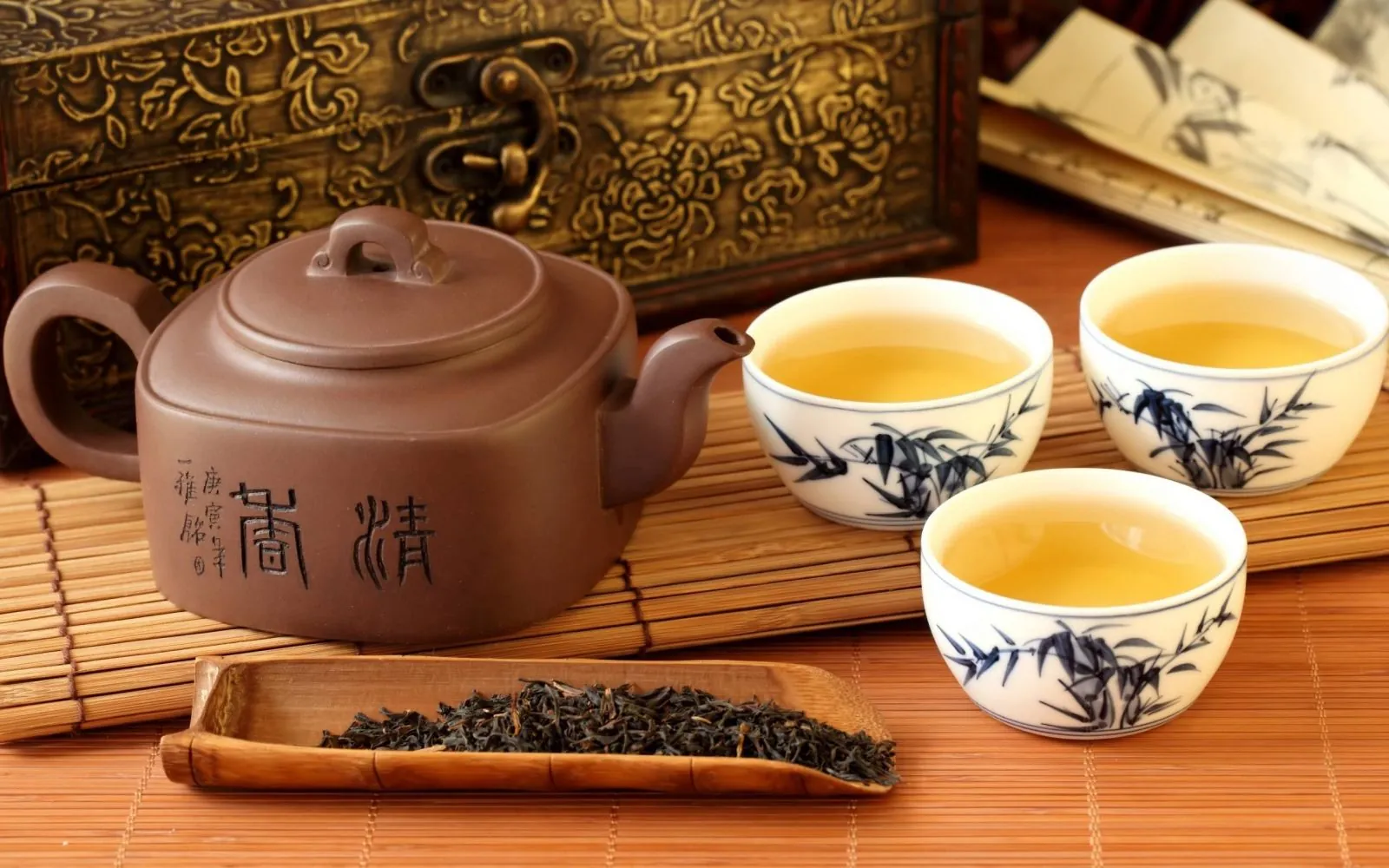
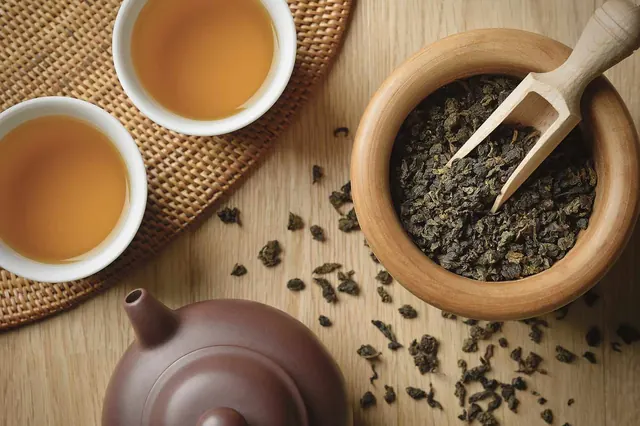
The teaware developed together with the way of making tea. In the Ming dynasty, for example, simplicity was the guiding principle of pottery and porcelain: the most popular tea cup was plain white-glazed. Yixing clay teapots — dark purple, round, with a spout, lid and handle — were especially prized. A Yixing teapot has these qualities: (1) water boiled in it does not spoil the colour, aroma or taste of the tea; (2) the tea flavour stays true; (3) it withstands heat and does not crack when boiling water is poured in; (4) each pot is kept for one kind of tea, never mixing teas; (5) the more it is used, the smoother and glossier it becomes; (6) it passes little heat, so it does not burn the hands; (7) it comes in many colours to choose from. It is also worth mentioning an art form closely tied to tea drinking: singing. Among the upper classes each person drank from their own lidded cup set on a saucer (a gaiwan); when a guest did not want any more, they turned the lid over and the server understood.
While enjoying tea, there are also rules for the tea itself and for how it is poured. The Chinese drink tea to savour it, to relax and to share moments with friends over a game of chess. Drinking tea means living in harmony with nature, expressing friendship and talking about the world.
China has many famous teas — green tea, red (black) tea, oolong, flower teas, pressed teas … — and the most famous of all is Longjing (Dragon Well) green tea. In everyday life, tea is brewed in a large, usually octagonal jar placed in the middle of the table, next to a big teapot and five small cups kept warm in hot water; everyone pours and drinks as much as they like. Today tea is still a favourite drink in China, although it is now judged mostly by its taste, and the rituals no longer have the elegance of the past.
Vyetnamda choy madaniyati
Vietnamese tea culture was influenced by China. Yet drinking fresh green tea and bud tea is a custom unique to Vietnam, one that is little known elsewhere in the world.
Tea is the drink of farming people who value a steady, calm life. So the Vietnamese way of making and enjoying tea is neither too fussy nor too plain, neither too ceremonial nor too casual — a balanced blend of tea making and tea drinking.
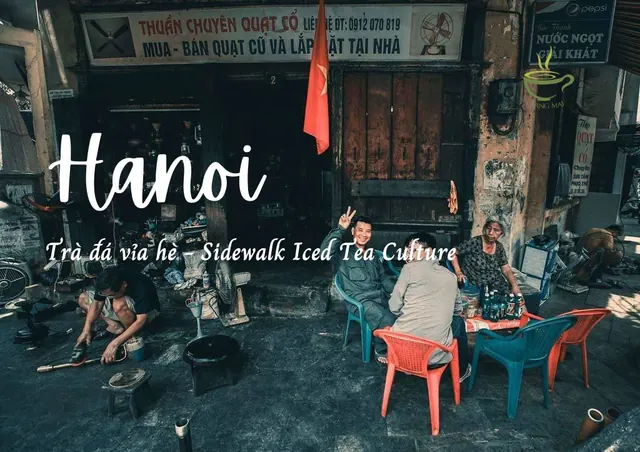
The Vietnamese way of making tea reflects its culture in every stage: choosing the tea, processing it, boiling the water, brewing, pouring and savouring. Choosing the tea comes first; most Vietnamese prefer fresh tea, bud tea and green tea, and fresh tea above all. Freshly bought leaves are washed and lightly crushed, and broken stalks are removed. The water is brought to the boil, poured over the leaves and left to steep for about 15 minutes before drinking. Sharing a pot of fresh tea also shows the community spirit of Vietnamese village life.
Besides fresh tea, bud tea and green tea, people also dry and crush older leaves to drink over time (dried tea), which gives a reddish brew. Famous tea-growing areas such as Thai Nguyen and Phu Tho have their own specialities, such as "moc" (natural, unscented) tea and the hook-shaped "moc cau" tea. The Vietnamese also scent tea with lotus, jasmine, chrysanthemum, orchid and other flowers — lotus tea above all. These scented teas have a very special flavour.
The Vietnamese art of tea has many features that differ from the Chinese. For a good cup of tea, the first thing is pure, natural water. The best water for tea is dew collected at dawn from lotus leaves, or rainwater that has run off areca palm leaves. Discerning drinkers blend well water with rainwater, called "yin-yang water". The water is boiled in an earthen kettle over a charcoal stove.
Charcoal is used because, unlike firewood or oil, it gives no smell. The water is boiled just enough — neither too long nor too short. Then a moderate amount of tea is put into the pot, rinsed with boiling water, topped up with water and served. It is a complete journey in which every stage and every step must rise to an art, with one goal: a truly delicious cup of tea. It is no coincidence that, of all the drinks in this world, tea is considered the most refined art. As the Vietnamese saying goes: "first the water, second the tea, third the cups, fourth the teapot, fifth the company" — good friends to share the tea with. Pouring tea into the cups is an art too. Choosing, brewing and offering tea is a cultural practice that shows the refinement and hospitality of the Vietnamese; even the way a cup is raised, a guest is invited and the tea is sipped expresses that culture.
In the art of tea, the Vietnamese are neither too elaborate nor too simple. They drink tea wishing to be in harmony with nature, with an attitude of equality and humility. They do not need a special place to enjoy tea, nor must tea always come with cakes; what matters most is the people drinking together and the taste of the tea.